

The Most Common - and Least Serious - Causes
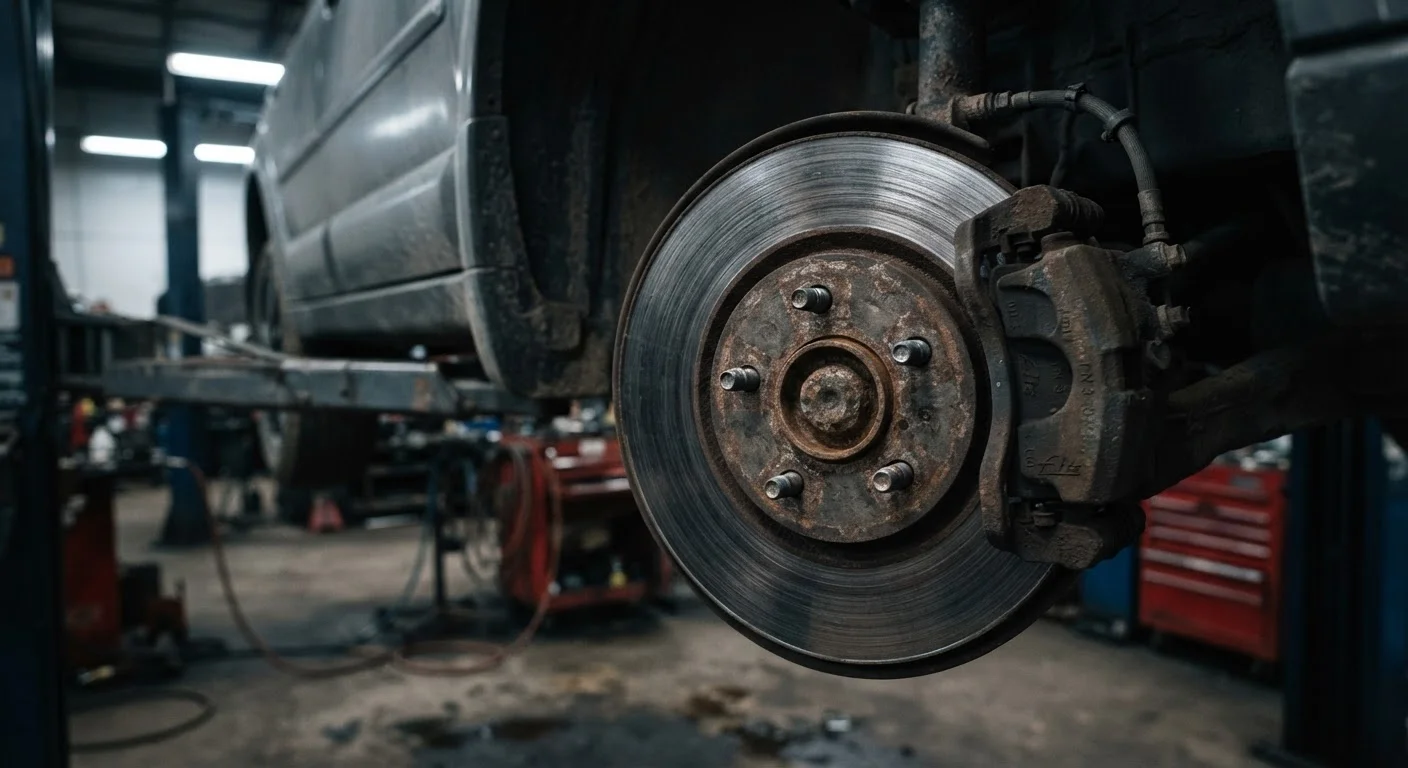
The majority of brake squeals have an entirely benign explanation. Surface rust is the most frequent culprit: when a car sits overnight, especially in humid or rainy conditions, a thin film of rust forms on the exposed iron rotor surface. The first few brake applications scrape it off, producing a brief squeal or mild grinding sound that vanishes within a minute of driving. This is normal and requires no action.
Dust and debris can also temporarily lodge between the pad and rotor, creating noise that resolves on its own. Certain semi-metallic brake pad compounds - common on trucks and performance vehicles - are inherently noisier than organic or ceramic alternatives, particularly when cold. If your vehicle has always squealed slightly on the first stop of the day and stops quickly and evenly, this is likely a characteristics-of-the-material issue rather than a warning sign.
Listen for Changes Over Time
A squeal that appears occasionally is very different from one that has progressively worsened over weeks. Pay attention to when the noise occurs - first thing in the morning only, every time you brake, or only at certain speeds - and note whether it's getting louder or more frequent. That pattern is some of the most useful information you can give a mechanic.
Driving habits also play a role - late hard stops and riding the brakes accelerate pad wear and can contribute to noise well before pads reach the end of their life.
When the Squeal Is a Warning You Shouldn't Ignore
Brake pad manufacturers build a deliberate alert into their products: a small metal tab called a wear indicator. When pads thin down to roughly 2-3 mm of remaining material, this tab contacts the rotor and produces a continuous, high-pitched squeal - a signal specifically designed to be annoying enough that you can't miss it. This sound typically appears consistently during braking, not just at cold starts.
Ignoring a wear indicator squeal leads to the next stage: grinding. Grinding means the pad material has worn through entirely and metal is contacting metal. At that point, the rotor itself is being damaged, turning a pad replacement into a more expensive rotor replacement job as well. If you hear grinding, treat it as urgent - not something to schedule for next week.
Brake Warning Lights vs. Brake Noise
Not all brake problems trigger a dashboard warning light, and not all brake lights mean the pads are worn - some indicate low brake fluid. Noise and dashboard indicators are two separate alert systems that may or may not appear together. Relying on silence from your warning lights as confirmation that brakes are fine is not reliable. Periodic visual inspections by a qualified mechanic are the better safeguard.
A squealing or grinding brake is also worth cross-referencing with your dashboard. Some vehicles display a brake warning light when pad sensors detect critical wear. See what dashboard warning lights mean and how urgently to respond if an indicator has come on alongside the noise.
Red-Flag Symptoms That Mean Stop and Call a Mechanic
Noise alone doesn't always tell the full story. Certain combinations of symptoms point to problems that go beyond worn pads and require professional diagnosis before you continue driving.
- Pulling to one side while braking: A stuck caliper or uneven pad wear can cause uneven braking force, which pulls the vehicle sideways - a handling and safety concern.
- Pedal feels soft or sinks to the floor: This suggests a hydraulic issue in the brake system, such as low fluid or a failing master cylinder, and is unrelated to pad noise but equally serious.
- Vibration through the pedal or steering wheel during braking: Warped rotors are the most common cause. The brakes may still function, but effectiveness is reduced and the condition will worsen.
- Noise even when not braking: If squealing occurs while simply rolling - without pressing the pedal - a wheel bearing or rotor contact issue may be responsible, not the pads.
When you visit a shop, being specific helps. Describe when the noise occurs, whether it's changed, and what other symptoms accompany it. Knowing what to tell your mechanic - and what to ask before you leave can save time and lead to a more accurate repair.
~$150-$300
Typical cost of a standard brake pad replacement
Industry estimates for a standard axle pad replacement at an independent shop; rotor damage from ignored wear can double or triple this cost.
2-3 mm
Pad thickness that triggers wear indicator squealing
Most brake pads include a metal wear indicator tab set to contact the rotor at this remaining thickness.
25-65k miles
Typical brake pad service life range
Pad lifespan varies widely based on driving style, vehicle type, and pad compound - city driving shortens it significantly versus highway miles.
A Note on Electric and Hybrid Vehicles
Drivers of hybrid and electric vehicles sometimes notice that their brakes squeal more often than they did on previous gas-powered cars - and there's a mechanical reason for it. Regenerative braking handles much of the everyday slowing on these vehicles, meaning friction brakes are used far less frequently. Less use means more opportunity for surface rust to accumulate between stops. The result is a higher baseline frequency of that familiar morning squeal.
This doesn't mean EV and hybrid brakes wear faster - in fact, the opposite is generally true, since the friction system does less work. But it does mean owners of these vehicles should be familiar with the sound of benign rust-scrape noise versus the wear-indicator squeal described above, as the line between the two can be less obvious when brakes are used infrequently.
This article is for general informational purposes only. For diagnosis of brake noise or any vehicle safety concern, consult a qualified mechanic.
Frequently Asked Questions
It depends on the type of squeal. Occasional squealing after sitting overnight or in wet weather is generally harmless. However, persistent squealing - especially paired with a soft pedal, pulling to one side, or grinding - means you should have the brakes inspected before driving further.
Overnight moisture creates a thin layer of surface rust on the rotors. When you first apply the brakes, the pads scrape this rust away, producing a brief squealing or grinding sound. Once cleared, the noise disappears. This is normal behavior and not a sign of damage.
If the squeal is from a wear indicator, most mechanics suggest having pads inspected within a few hundred miles. Ignoring the warning risks wearing pads down to metal, which damages the rotor - a much costlier repair. Get it checked promptly rather than waiting.
Yes. New brake pads sometimes squeal during a brief break-in period as the pad material seats against the rotor surface. This typically resolves within the first several hundred miles of normal driving. If it persists beyond that, a mechanic should inspect the installation.
Absolutely. Cold temperatures, rain, and humidity all affect how brake components behave. In cold or wet conditions, temporary squealing or slight grabbing is common and usually not a cause for concern unless the noise is persistent or accompanied by other symptoms.
The content on this site is for informational purposes only and is not a substitute for professional advice. Always consult a qualified professional for guidance specific to your situation.