

Why Brake Wear Is Mostly a Habits Problem
Most drivers assume brake wear is simply a matter of mileage - put enough miles on, replace the pads. In reality, how you drive has a far greater influence on brake lifespan than how far you drive. Two vehicles with identical odometer readings can have vastly different amounts of brake life remaining, depending entirely on the habits of their drivers.
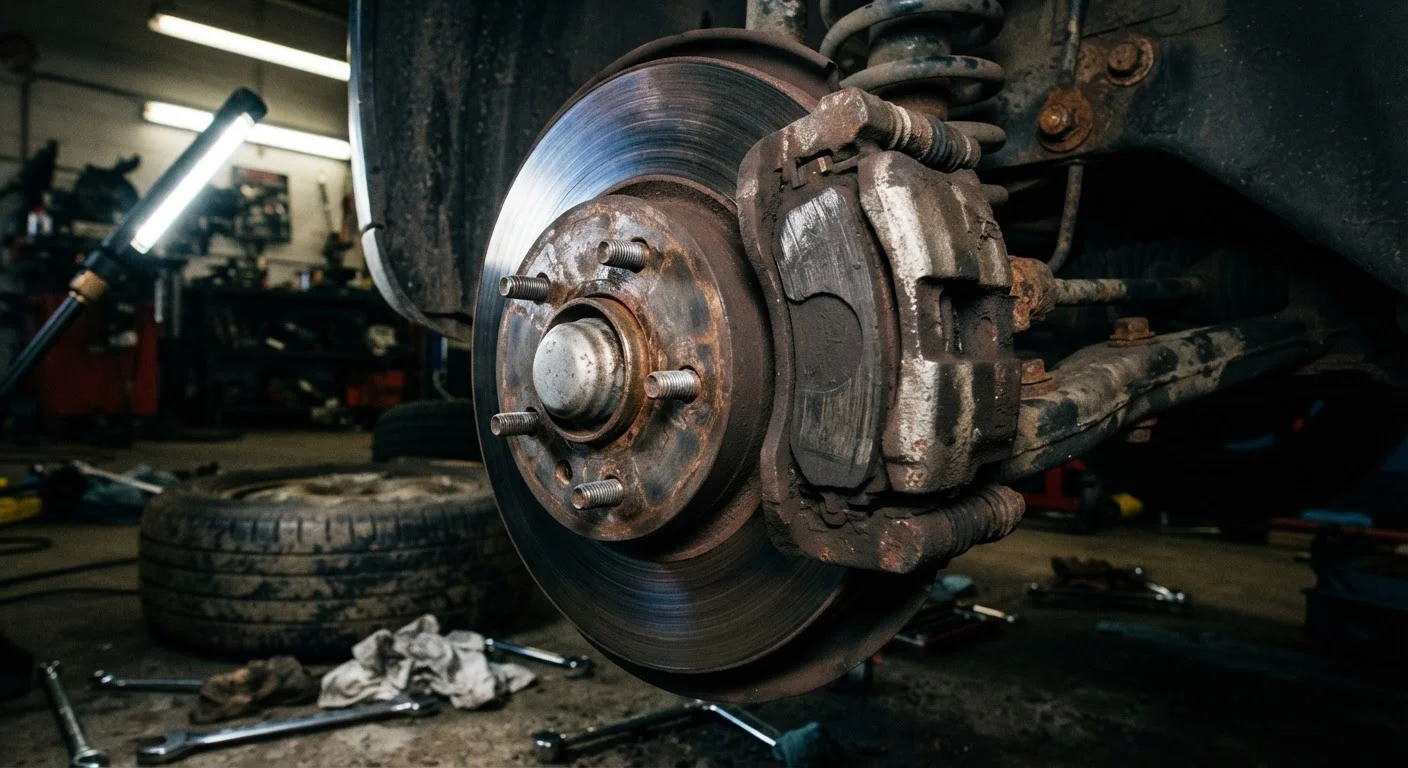
Brake pads convert kinetic energy into heat through friction. The faster you're going when you brake, the more heat is generated. The more frequently you brake hard, the faster the friction material wears down. When pads wear into the rotor, repair costs escalate significantly - a pad replacement becomes a pad-and-rotor replacement. Understanding how neglected maintenance compounds helps put brake care in sharper financial context.
The habits below are among the most common culprits. Most are easy to correct once you recognize them.
Riding the brakes on long downhill stretches instead of controlling speed with engine braking.
Why it happens: Drivers feel safer keeping a foot on the brake pedal when descending steep grades, especially in unfamiliar terrain.
Braking late and hard into stops rather than decelerating gradually from a distance.
Why it happens: Drivers focus on the vehicle ahead rather than traffic patterns further down the road, reacting instead of anticipating.
Driving with one foot lightly resting on the brake pedal during normal travel.
Why it happens: Some drivers position their left foot near the brake out of habit, causing unintentional low-level pad contact with the rotor.
Habitually overloading the vehicle with cargo or consistently towing near the maximum rated capacity.
Why it happens: Drivers underestimate how much additional stopping force heavier loads demand from the brake system.
Ignoring early warning signs like squealing, soft pedal feel, or increased stopping distances.
Why it happens: Early symptoms are easy to rationalize away - the noise stops after warming up, the pedal feels 'almost normal.'
Smarter Braking Techniques Worth Adopting
The most effective upgrade to your braking habits is increasing following distance. When you maintain a larger buffer between your vehicle and the one ahead, you gain time to decelerate gradually rather than brake suddenly. This single change reduces the frequency and intensity of brake application more than almost anything else.
~2×
Brake wear increase from high-speed stops
Physics of friction braking: stopping from 60 mph generates roughly four times more heat than stopping from 30 mph, dramatically accelerating pad wear per stop.
30-40%
Estimated pad life extension from smoother driving
Automotive maintenance sources suggest that anticipatory, gradual braking habits can substantially extend pad service intervals compared to reactive hard-stop driving patterns.
On descents, use engine braking - downshifting to a lower gear in manual transmissions, or selecting a lower drive mode in automatics - to manage speed without engaging the brake pedal repeatedly. Coasting, engine braking, and regenerative braking each affect wear and fuel use differently; understanding all three gives you more tools to work with. Drivers of electric and hybrid vehicles can also lean on regenerative braking to slow the vehicle in most everyday situations, reserving friction brakes for final stops. See how regenerative braking changes driving feel for a practical breakdown.
Never Ride Brakes on Mountain Descents
Sustained light brake pressure on long downhill grades can overheat brake fluid, potentially causing brake fade - a sudden and dangerous reduction in stopping power. If you notice a burning smell or a spongy pedal on a descent, pull over safely and allow brakes to cool before continuing. This is a situation where engine braking is not optional - it is essential.
Carrying less unnecessary weight in your vehicle also pays off. Heavy cargo in the trunk or cab increases the stopping force required, which means pads heat up faster and wear more quickly. Treating brake care as part of a broader car maintenance routine - including periodic inspections - ensures you catch wear before it becomes damage. The habits that protect your brakes also tend to reduce the broader costs of aggressive driving, from fuel consumption to tire wear.
The content on this site is for informational purposes only and is not a substitute for professional advice. Always consult a qualified professional for guidance specific to your situation.