

Why the Nutrition Facts Label Exists
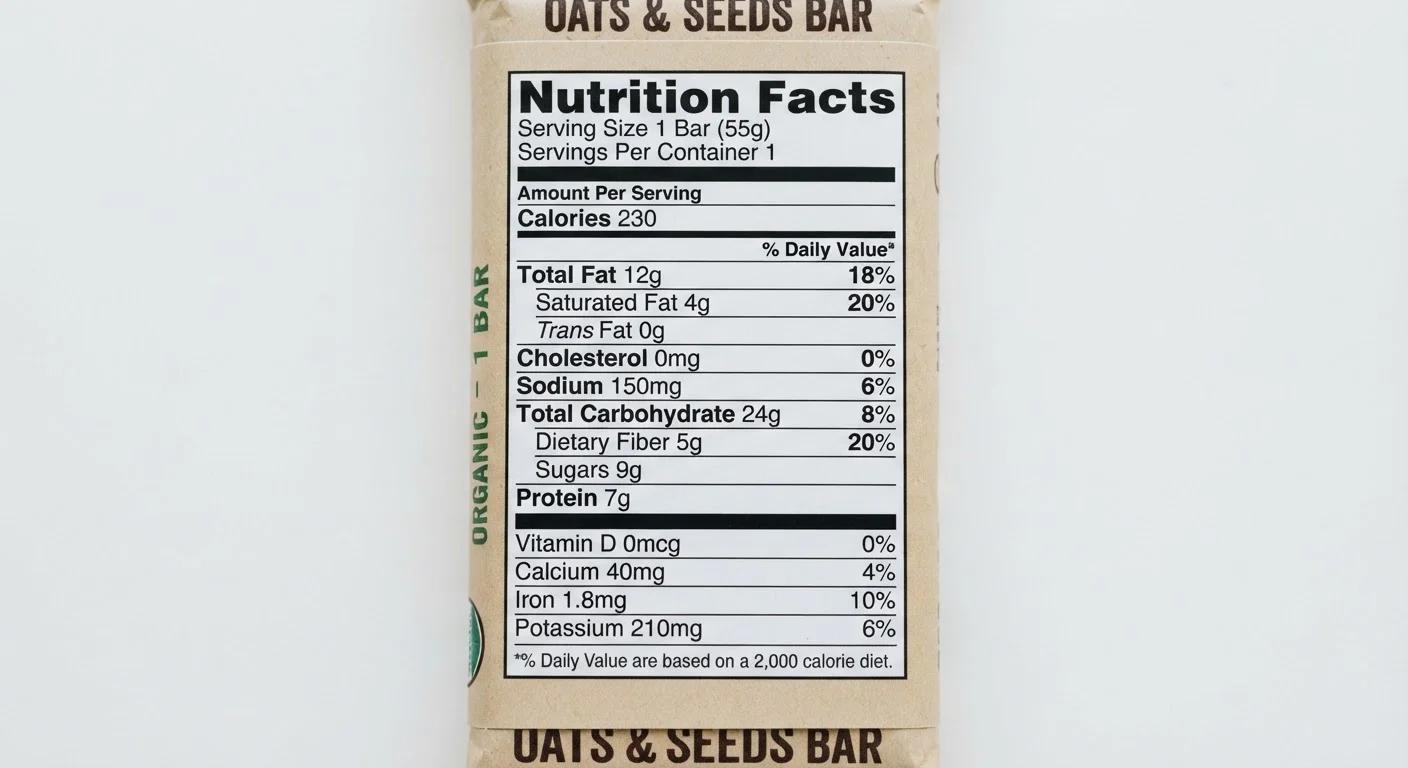
The Nutrition Facts panel is a federally standardized disclosure - required by the FDA on most packaged foods sold in the United States. Its purpose is straightforward: give consumers consistent, comparable information so they can make informed choices regardless of which brand or store they're shopping. The format was significantly updated in 2016 to reflect current nutrition science, including a line for added sugars and larger, bolder calorie numbers.
Understanding how to read this panel is one of the most practical food skills available to everyday shoppers. It cuts through marketing language and gives you direct access to what's actually in a product. If you're newer to thinking about nutrition in general, a foundational overview can help orient you before diving into label details.
Labels Inform - They Don't Diagnose
Nutrition labels are tools for general food awareness, not medical prescriptions. If you have a diagnosed condition such as diabetes, heart disease, or kidney disease, your specific nutrient targets will differ from the general Daily Values shown on the label. Always work with a registered dietitian or your healthcare provider to understand what those numbers mean for your individual health.
How to Read the Label: Step by Step
The six steps below walk you through the Nutrition Facts panel and ingredient list in the order they appear, from top to bottom. Work through them with an actual package in hand for the best results.
What you will need
Start with the serving size
The very first line of any Nutrition Facts panel states the serving size and the number of servings per container. Every calorie count and nutrient figure on the label applies to one serving - not the whole package. A bag of chips may list 150 calories per serving, but if it contains three servings, eating the bag delivers 450 calories. Always anchor your reading here before moving on.
Note the calorie count in context
Calories measure the energy a single serving provides. They're useful context, but a calorie count alone tells you nothing about the quality of that energy. A 200-calorie serving of nuts and a 200-calorie serving of a sugary snack cake are nutritionally very different. Use calories as a reference point, not a verdict. For more on this framing, see nutrient density.
Scan the nutrients to limit
Below calories, the label lists total fat, saturated fat, trans fat, cholesterol, and sodium. For most people, the ones worth watching most closely are saturated fat, sodium, and added sugars (listed separately under Total Carbohydrate). Major health organizations generally support keeping these lower in the overall diet, though individual needs vary. The % Daily Value column (% DV) lets you judge quickly - see the tip below on the 5%/20% rule.
Look for the nutrients to get enough of
The lower section of the panel highlights nutrients many Americans tend to fall short on: dietary fiber, vitamin D, calcium, iron, and potassium. A higher % DV here is generally a positive signal. Fiber in particular supports digestive health and sustained energy - you can learn more in our article on dietary fiber.
Read the ingredient list
Ingredients are listed in descending order by weight - the first ingredient makes up the largest portion of the product. If refined flour or added sugar appears in the first two or three spots, that item dominates the food's composition. Look for recognizable, whole-food ingredients near the top. A shorter ingredient list generally means less processing, though length alone is not a definitive quality measure. For a deeper look at what processing actually means for your diet, see whole foods vs. processed foods.
Cross-check front-of-package claims
After reading the back panel, revisit any claims on the front - 'good source of fiber,' 'reduced sodium,' 'made with real fruit.' Some are regulated (e.g., 'reduced sodium' must meet an FDA definition), while others like 'natural' carry no standardized meaning. Use the Nutrition Facts and ingredient list to verify whether a front-label claim holds up. The label you just read is always more reliable than the marketing copy.
Use the 5% and 20% Rule
A quick shortcut: a % Daily Value of 5% or less means a nutrient is low in that food; 20% or more means it is high. Use this to quickly flag whether you're getting a meaningful amount of fiber or vitamin D, or whether a food is surprisingly high in sodium - no math required.
Front-of-Package Claims Can Mislead
Words like 'natural,' 'clean,' 'light,' and 'made with whole grains' appear on packaging but are not tightly regulated by the FDA in the same way as the Nutrition Facts panel. A product labeled 'multigrain' may contain mostly refined flour. Always flip to the back and read both the Nutrition Facts panel and the ingredient list before drawing conclusions.
Putting It Into Practice at the Store
Once you're comfortable with the label format, the real skill is comparison. Holding two similar products side by side and comparing sodium levels, fiber content, or added sugar per serving takes under a minute and often reveals significant differences hidden behind similar branding.
Labels are most useful when they inform a pattern of choices over time - not when they create anxiety around any single food. An occasional high-sodium snack in an otherwise varied diet is rarely the issue. The goal is awareness, not perfection. For practical next steps beyond label-reading, see our guide on stocking a pantry that supports balanced eating, or explore how grocery store patterns can quietly work against your goals.
This article is for general informational and educational purposes only and does not constitute medical or dietary advice. Consult a qualified healthcare provider or registered dietitian for guidance tailored to your individual health needs.
The content on this site is for informational purposes only and is not a substitute for professional advice. Always consult a qualified professional for guidance specific to your situation.