

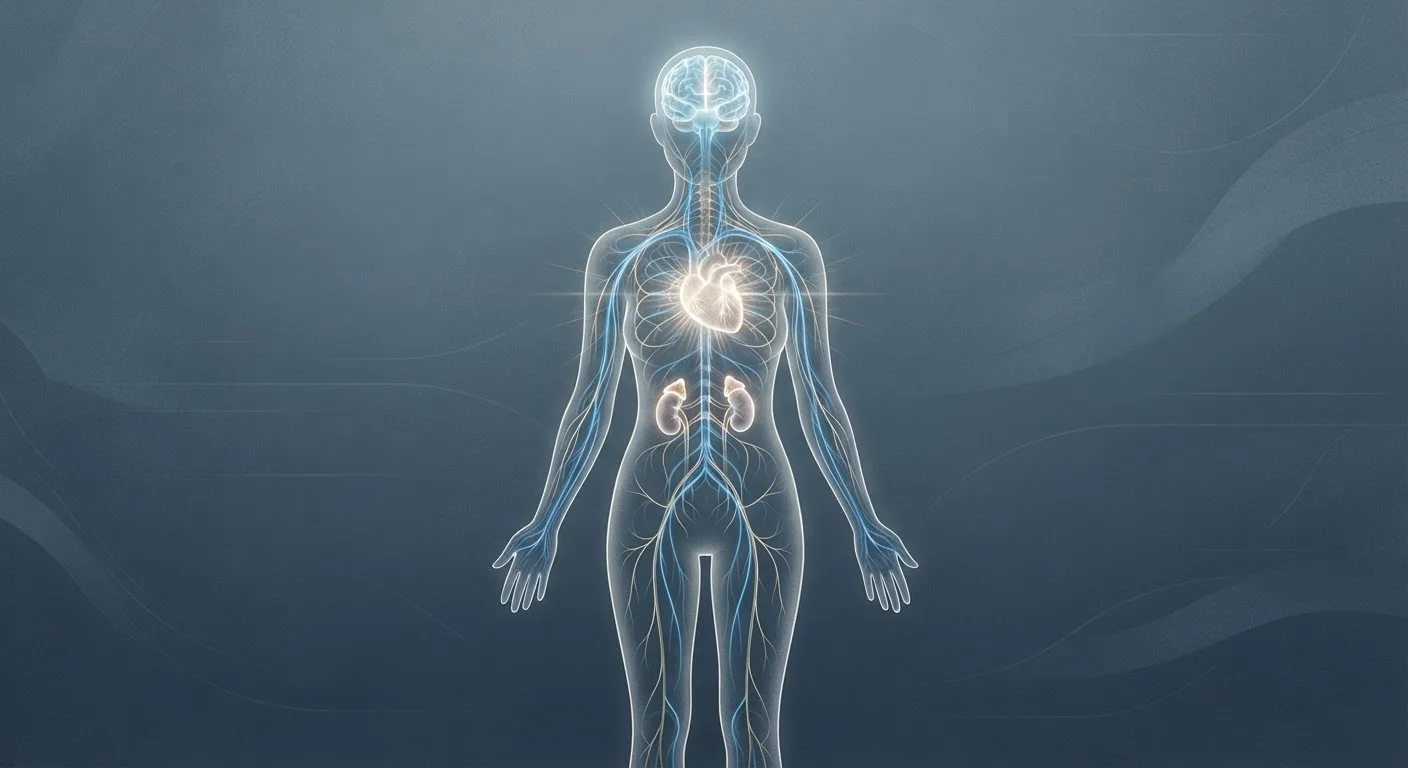
The Biology Behind the Stress Response
When your brain perceives a threat - real or imagined - it triggers a rapid hormonal cascade. The sympathetic nervous system fires first, flooding the bloodstream with adrenaline (epinephrine). Your heart rate rises, breathing quickens, muscles tense, and pupils dilate. This is the classic fight-or-flight response, and it happens in seconds.
Seconds later, the hypothalamic-pituitary-adrenal (HPA) axis activates, directing the adrenal glands to release cortisol. Cortisol keeps blood sugar elevated, sharpens alertness, and temporarily suppresses functions the body considers non-urgent during a crisis - including digestion and certain immune processes.
This system is extraordinarily effective for short-term threats. The problem arises when it stays activated. Psychological stressors - financial pressure, relationship conflict, information overload - don't always resolve the way a physical threat does, leaving cortisol elevated long after it's useful.
77%
Adults reporting physical stress symptoms
According to the American Psychological Association's Stress in America survey, approximately 77% of adults report experiencing physical symptoms caused by stress.
3x
Higher illness susceptibility under chronic stress
Research published in the journal Psychological Science found that people under chronic stress were roughly three times more likely to develop a cold when exposed to a rhinovirus.
33%
Adults reporting extreme stress levels
The American Psychological Association has consistently reported that roughly one in three U.S. adults describe their stress levels as extreme in national surveys.
What Chronic Stress Does to Your Body
Persistent activation of the stress response has measurable downstream effects across multiple body systems:
- Cardiovascular system: Sustained elevated blood pressure and heart rate increase the risk of hypertension and heart disease over time.
- Immune system: Chronically high cortisol suppresses immune function, reducing the body's ability to fight off infections and recover from illness. Research consistently links chronic stress to slower wound healing and greater susceptibility to common illnesses.
- Digestive system: Stress disrupts gut motility and alters the gut microbiome, contributing to symptoms like nausea, bloating, and irritable bowel syndrome (IBS).
- Sleep: An overactive stress response makes it harder to fall asleep and stay asleep. Crucially, poor sleep then raises cortisol the following day - a reinforcing cycle explored in depth in our article on how sleep and mental health influence each other.
Notice the Difference: Acute vs. Chronic
Ask yourself whether the stressor has a foreseeable endpoint. If it does, the physical symptoms you're experiencing are likely temporary and normal. If the stressor feels open-ended - financial strain, caregiving, ongoing conflict - that's when proactive stress-management strategies matter most. Recognizing the type of stress you're under is the first step toward responding to it effectively.
Stress and the Mind: Mood, Memory, and Mental Health
Stress doesn't just strain the body - it reshapes how the brain works. Cortisol influences the prefrontal cortex (responsible for decision-making and rational thought) and the amygdala (the brain's threat-detection center). Under chronic stress, the amygdala becomes more reactive while the prefrontal cortex's ability to regulate it is reduced - a pattern associated with anxiety, irritability, and difficulty concentrating.
Long-term cortisol exposure has also been linked in research to reduced volume in the hippocampus, a brain region central to memory and learning. This may partly explain why people under sustained stress often report memory lapses and difficulty retaining new information.
When stress is compounded by other modern habits - such as the social media patterns that quietly drain mental energy - the cognitive load on the brain compounds further.
“Stress is not what happens to us. It is our response to what happens. And response is something we can choose.”
— Maureen Killoran, Unitarian Universalist minister and wellness educator
Building Resilience: What the Evidence Supports
Understanding the stress response is most useful when paired with practical strategies to moderate it. Several approaches have a solid base of evidence behind them:
- Regular physical activity helps regulate cortisol and promotes the release of endorphins, which counteract the physiological effects of stress.
- Structured daily routines reduce decision fatigue and provide a sense of control - both protective against chronic stress. A purposeful morning routine is one accessible place to start.
- Social connection activates the parasympathetic nervous system and buffers the impact of stressors, making isolation a genuine amplifier of stress's harm. This parallels findings on how chronic loneliness affects both mental and physical health.
- Mindfulness and controlled breathing can directly dampen sympathetic nervous system activity, with effects measurable within a single session in well-designed studies.
This article is for general informational and educational purposes only and does not constitute medical advice. If stress is significantly affecting your health, daily functioning, or mental well-being, please consult a qualified healthcare professional.
Frequently Asked Questions
Acute stress is short-lived - the rush you feel before a presentation or during a near-miss on the highway. Chronic stress persists for weeks or months, often without a clear resolution. While acute stress can be beneficial, chronic stress is associated with serious health consequences including heart disease, depression, and weakened immunity.
Cortisol raises blood sugar, suppresses non-essential functions like digestion and immune response, and keeps your body in a ready state. In short bursts this is helpful, but chronically elevated cortisol is linked to weight gain, high blood pressure, and impaired memory.
Yes. Chronic stress suppresses the immune system, making the body more vulnerable to infections and slower to recover. It is also associated with increased inflammation, which underlies many chronic diseases. This is general health information - consult a healthcare provider about any specific symptoms.
Elevated cortisol and a hyperactive nervous system interfere with the ability to fall and stay asleep. In turn, poor sleep raises cortisol levels the following day, creating a reinforcing cycle. Managing stress and sleep together is often more effective than addressing either in isolation.
No. Short-term stress - sometimes called 'eustress' - can sharpen focus, boost performance, and even build resilience over time. The health risks emerge primarily from chronic, unresolved stress that keeps the body's alarm system activated indefinitely.
If stress is consistently interfering with sleep, relationships, work, or physical health, or if you're experiencing symptoms like chest pain, persistent anxiety, or mood changes, speak with a qualified healthcare professional. Do not self-diagnose or delay medical care based on general health content.
The content on this site is for informational purposes only and is not a substitute for professional advice. Always consult a qualified professional for guidance specific to your situation.