

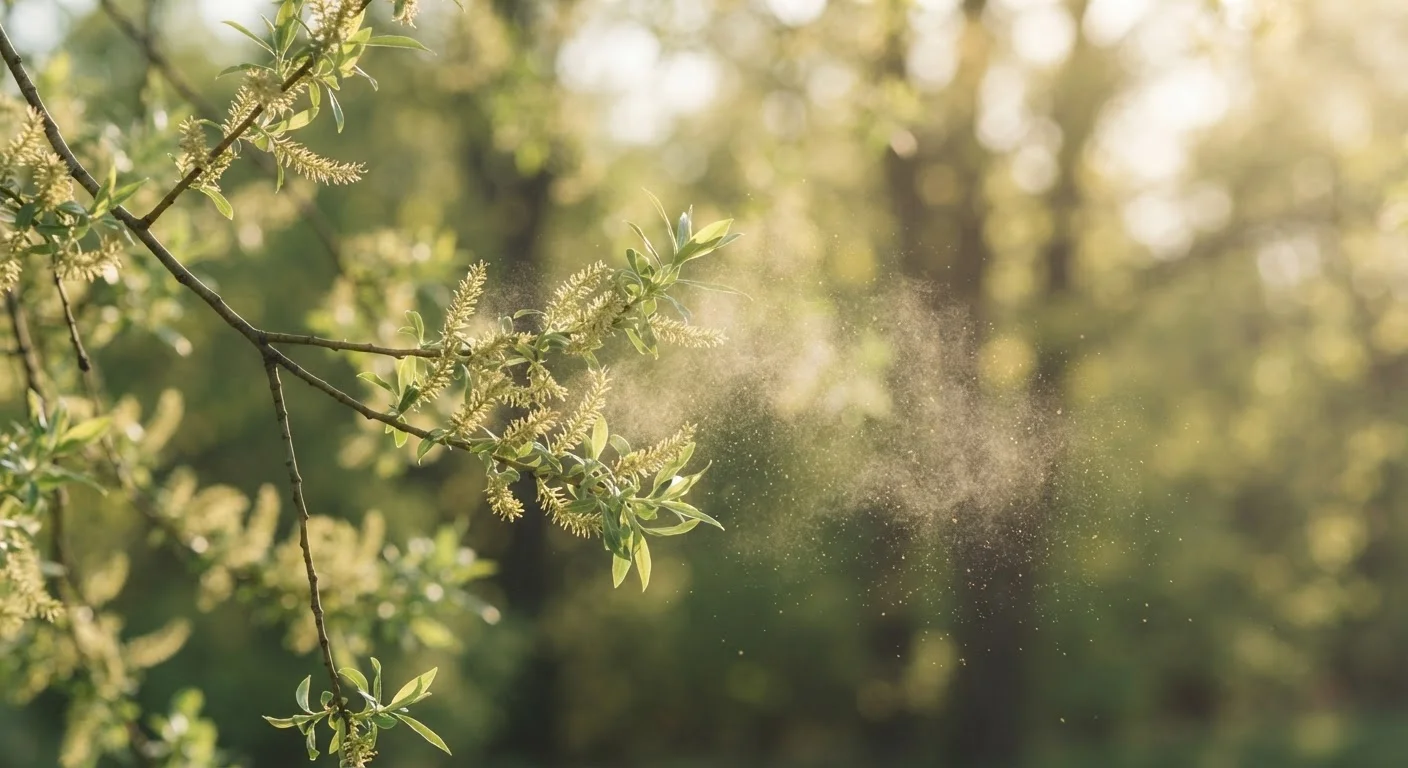
What Is a Seasonal Allergy, Really?
Seasonal allergies - clinically called allergic rhinitis - affect tens of millions of Americans each year. Despite how common they are, the underlying biology is often misunderstood. At its core, a seasonal allergy is a case of mistaken identity by the immune system.
When a sensitized person inhales an allergen such as pollen, the immune system treats it as a dangerous invader. It responds by producing antibodies called immunoglobulin E (IgE), which bind to mast cells lining the airways and skin. On re-exposure, those mast cells release histamine and other chemical mediators, triggering the familiar cascade of sneezing, itching, and congestion.
This response evolved to fight parasites, not pollen - but for some people, the immune system generalizes too broadly. Genetics play a significant role: if one parent has allergies, a child's risk increases noticeably; if both parents do, the risk increases further. Environment also shapes sensitization, and emerging research continues to examine how early-life microbiome exposure influences immune calibration.
~26%
U.S. adults affected by seasonal allergies
According to data from the CDC's National Health Interview Survey, roughly one in four American adults reports having a seasonal allergy diagnosis.
3-4 weeks earlier
Average earlier start to pollen season
Research published in environmental and allergy journals suggests pollen seasons in North America have shifted earlier and lengthened over recent decades.
1 billion
Pollen grains one ragweed plant can release per season
The American Academy of Allergy, Asthma & Immunology notes ragweed's extraordinary output, explaining why fall symptoms can be so widespread and difficult to avoid.
Common Triggers by Season
Allergen calendars shift throughout the year, which is why many people notice their symptoms flare at predictable times:
- Spring (February-May): Tree pollens - including oak, birch, maple, and cedar - are the primary culprits. In warmer climates, the season can begin as early as late winter.
- Summer (May-July): Grass pollens from species like timothy and Bermuda grass peak. Mold spores also begin climbing as temperatures and humidity rise.
- Fall (August-November): Ragweed is the dominant trigger. A single ragweed plant can release up to a billion pollen grains in one season, and the lightweight particles travel hundreds of miles on the wind.
- Winter: Outdoor allergens largely subside, but indoor allergens - dust mites, pet dander, and mold in damp spaces - can worsen for those who spend more time sealed indoors.
Geography matters considerably. Pollen seasons are longer and more intense in the South and parts of the Southwest. Climate patterns have also influenced pollen season length over recent decades, according to research published in environmental health literature - though individual experiences vary significantly by location and year.
Recognizing Symptoms - and Telling Them Apart From a Cold
The overlap between allergy symptoms and cold symptoms causes genuine confusion. Both can produce a runny nose, congestion, sneezing, and fatigue. Key differences include:
| Feature | Seasonal Allergy | Common Cold |
|---|---|---|
| Duration | Weeks to months (while exposed) | Usually 7-10 days |
| Fever | Not present | Sometimes present |
| Itchy eyes/nose | Very common | Uncommon |
| Nasal discharge | Clear, watery | May thicken or yellow over time |
| Timing | Same season each year | Any time, often winter |
If you're uncertain what's driving your symptoms, understanding what common symptoms signal can help you decide when a professional evaluation makes sense.
Allergy Symptoms Can Mimic Other Conditions
Persistent nasal congestion, fatigue, and headaches can result from conditions other than allergic rhinitis - including sinus infections, non-allergic rhinitis, or structural nasal issues. If your symptoms don't follow a clear seasonal pattern or don't respond to typical allergy measures, a professional evaluation is the appropriate next step rather than self-treating indefinitely.
Evidence-Informed Strategies for Daily Management
Managing seasonal allergies involves layering several approaches. No single strategy eliminates symptoms for everyone, but the following are grounded in established evidence:
Reduce Exposure
- Monitor local pollen counts (many weather apps and the American Academy of Allergy, Asthma & Immunology provide forecasts) and limit outdoor activity on high-count days.
- Keep windows closed during peak pollen hours - typically mid-morning through early afternoon.
- Shower and change clothes after spending time outdoors to remove pollen from skin and hair.
- Use HEPA filters in bedroom air purifiers and replace HVAC filters regularly.
Nasal Rinses
Saline nasal irrigation (using a neti pot or squeeze bottle with sterile, distilled, or previously boiled water) is a low-risk, well-studied method for physically clearing allergens from the nasal passages.
Medications
Several classes of over-the-counter medications - antihistamines, decongestants, and nasal corticosteroid sprays - are commonly used for allergic rhinitis. Appropriate choice and duration depend on your specific symptoms and health history, which is best discussed with a pharmacist or healthcare provider rather than self-prescribed long-term.
Start nasal corticosteroid sprays a week or two before your known allergy season begins, rather than waiting for symptoms to appear. Building the anti-inflammatory effect ahead of peak exposure can meaningfully reduce early-season severity.
Clinical guidelines from allergy and immunology bodies note that nasal corticosteroids are most effective when used consistently and preemptively, as their full effect takes several days to develop.
When checking pollen counts, look beyond the overall number and note which specific pollen type is elevated - tree, grass, or weed - so you can cross-reference against your known triggers rather than reacting to every high-count day.
Individual allergy profiles are specific; someone sensitized only to grass pollen doesn't necessarily need to restrict outdoor activity on a high tree-pollen day, and over-restricting activity has its own wellness costs.
Lifestyle Factors
There is growing evidence that sleep quality and stress levels influence immune reactivity. Chronic stress, for example, can alter inflammatory responses in ways that may heighten allergy symptom severity - for more on that mechanism, see what stress does to the body. Prioritizing consistent sleep and stress management may therefore be a meaningful complement to allergy-specific interventions. Tracking your symptom patterns over time also makes medical conversations more productive - guidance on what to document when managing a recurring condition applies well here.
Simple Habit: The Post-Outdoor Shower
Making it a routine to shower and change clothes immediately after spending time outside during high-pollen periods is one of the most effective and zero-cost exposure-reduction strategies available. Pollen particles cling to hair, skin, and fabric, and can be transferred to pillowcases - prolonging nighttime symptoms even when windows are closed.
When to See a Healthcare Provider
Seasonal allergies are common, but they aren't always mild or straightforward. Seek professional evaluation if:
- Symptoms significantly disrupt sleep, work, or daily functioning for more than a few weeks.
- Over-the-counter approaches provide little relief.
- You develop wheezing, chest tightness, or shortness of breath - these can signal allergic asthma, which requires a different management approach.
- You're unsure whether symptoms are allergy-related or indicate another condition.
An allergist or immunologist can perform skin-prick testing or specific IgE blood tests to identify exactly which allergens are triggering your response. This information guides more targeted interventions, including allergen immunotherapy (allergy shots or sublingual tablets), which builds long-term tolerance and is among the most evidence-supported disease-modifying treatments available.
“Allergen immunotherapy is the only treatment that actually modifies the underlying allergic disease rather than just managing the symptoms. For appropriate candidates, it can produce benefits that persist years after treatment ends.”
— American Academy of Allergy, Asthma & Immunology, Leading U.S. professional society for allergy and immunology specialists
This article provides general health information and education. It is not a substitute for personalized medical advice, diagnosis, or treatment. Always consult a qualified healthcare professional about your specific symptoms and care needs.
This article is for informational purposes only and is not medical advice. Consult a licensed healthcare professional before making any changes to your health routine or treatment plan.
The content on this site is for informational purposes only and is not a substitute for professional advice. Always consult a qualified professional for guidance specific to your situation.